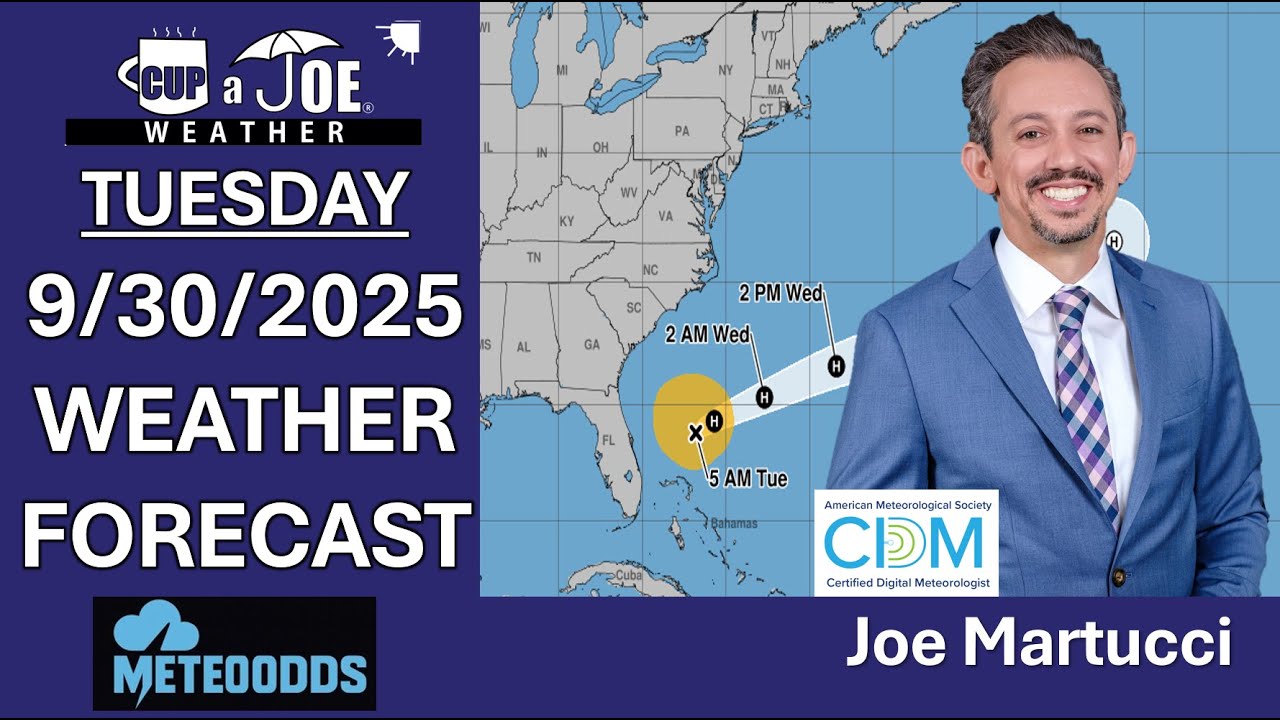
📹TUESDAY FORECAST | T.S. Imelda will churn up our ocean and, eventually, bring coastal flooding and strong winds. Otherwise, though, we’re dry! Dominate your fantasy leagues and bets with weather-driven data.
MeteoOdds gives you innovative tools, player/game weather impacts, and detailed forecasts. Join FF+ by using the code WEATHER and get 50% off, for life! Turn forecasts into fantasy wins — only at www.meteoodds.com.
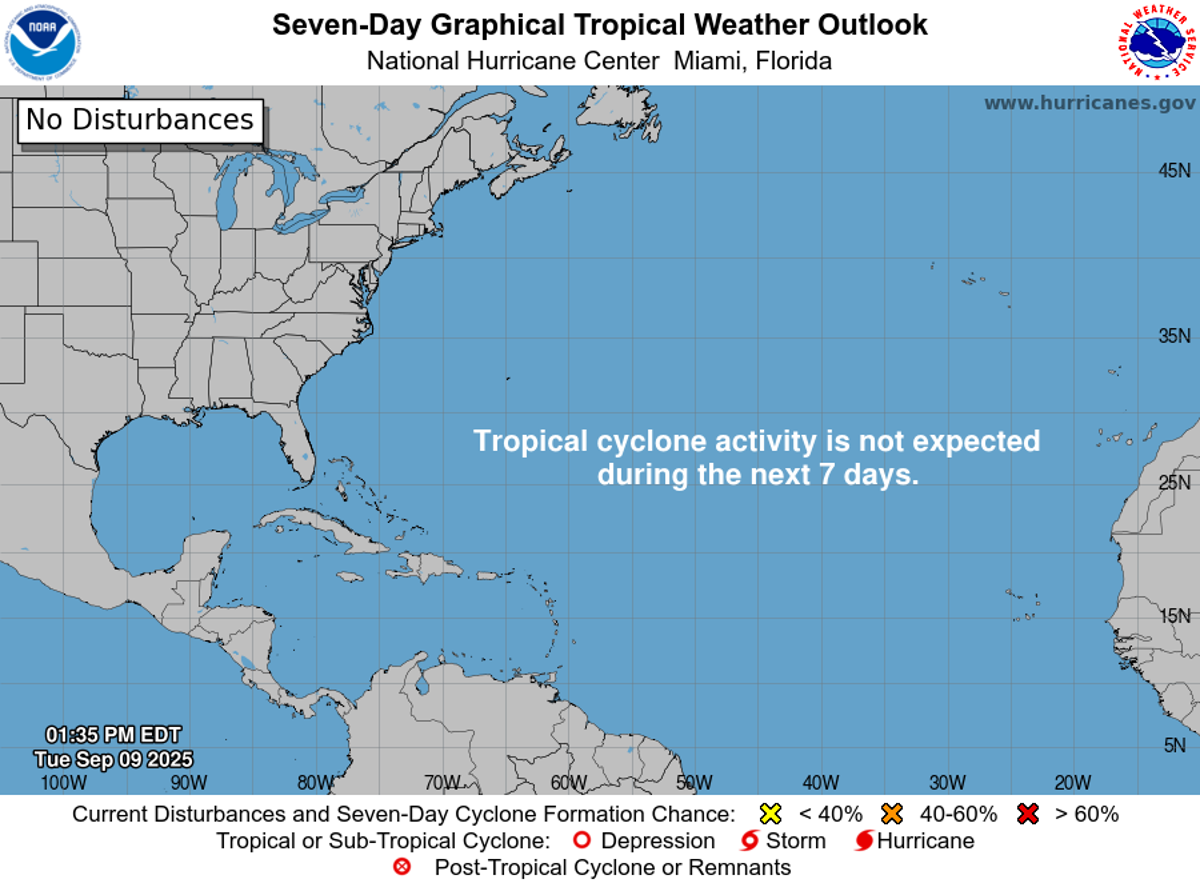
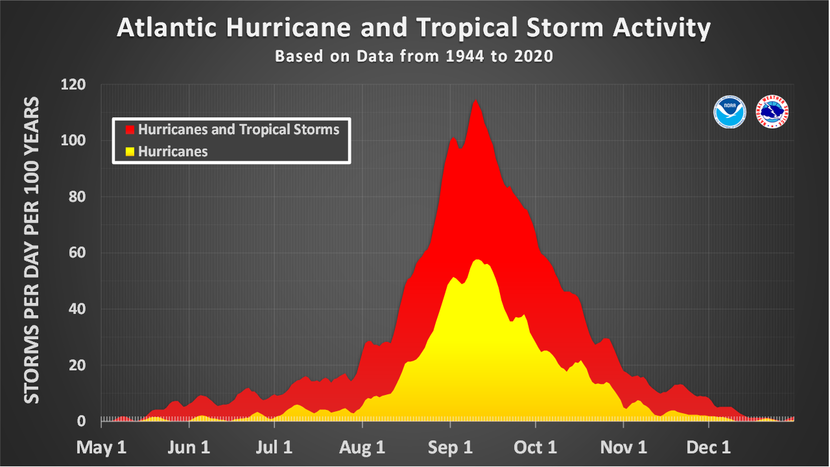
This article initially appeared in Shore Local Magazine on 9/25 Thankfully, hurricane season has remained quiet. No major storms have made landfall in the United States, or really anywhere. By the numbers, this is a quieter-than-average year so far. However, don’t be lulled into complacency.
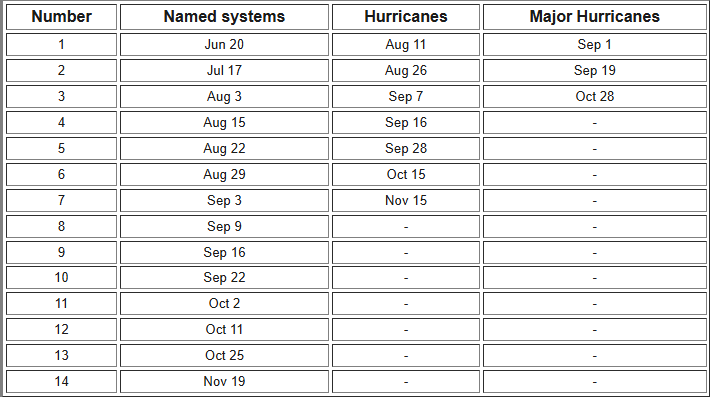
By late September, the Atlantic Hurricane Season typically reaches its 10th or 11th named storm on average. That would be the “J” or “K” named storm. That’s “Jerry” or “Karen” according to the World Meteorological Organization, which is the group that determines storm names.
Here’s a look at the latest hurricane forecasts from agencies I highly respect. These forecasts include what has already happened. Through Sept. 22 there have been seven named storms, two hurricanes and one major hurricane – Category 3, 4 or 5 storm.
There’s also something called Accumulated Cyclone Energy (ACE). I like to use this, and you’ll see people using this more often in the future. ACE measures hurricane season energy by adding up storm strength and duration score as it’s going on.
Colorado State University, as well as the United Kingdom Met Office, issues forecasts for ACE. Both predict a 140-146 ACE index.
This is all at or just above average. These forecasts still predict that all the activity we’ve had since hurricane season started will be duplicated between now and when the season ends two months from now; other words, just as hurricane season usually goes.
Have your evacuation plan and get your go bag ready in case you need to leave. In the best case scenario, it will collect dust and stay dry during a quiet New Jersey hurricane season.
Joe Martucci, a Certified Broadcast Meteorologist and Digital Meteorologist, is the President and Director of Meteorology for Cup A Joe Weather and Drone. You can connect with him at cupajoe.sparkable.opalstacked.com/.
FRIDAY’S FORECAST | Good morning! The muggy meter is still high but it won’t be as swampy as Thursday. Look for a mostly dry weekend ahead, with one time for rain. Then, I’m still figuring out how the “Fujiwhara effect” of Hurricane Humberto and soon to be Imelda will impact NJ.
THURSDAY NIGHT UPDATE: Tropical Storm Humberto and soon to be Imelda may do a rare dance around each other. Known as the Fujiwara effect, they’re uncommon in the Atlantic Ocean and bring a lower than usual forecast for next week. Direct impacts are not expected for NJ, but that still means it could be messy next week.
Never worry about missing severe weather warnings again. Get a recorded call from me when your location is impacted. WeatherCall ensures you stay informed for just $15 a year. Sign up: https://ngorder.wxriskalerts.com/db_app2.php?station=cajx
THURSDAY’S FORECAST | Well, our weather got busy in a hurricane. A tornado is *not ruled out* later today. More than likely you get rain and swampy weather. The weekend is mostly fine. Tropical trouble next week? Let’s talk.
Never worry about missing severe weather warnings again. Get a recorded call from me when your location is impacted. WeatherCall ensures you stay informed for just $15 a year. Sign up: https://ngorder.wxriskalerts.com/db_app2.php?station=cajx
Dominate your fantasy leagues and bets with weather-driven data. MeteoOdds gives you innovative tools, player/game weather impacts, and detailed forecasts. Join FF+ by using the code WEATHER and get 50% off, for life! Turn forecasts into fantasy wins — only at www.meteoodds.com.
TUESDAY’S FORECAST | It’s our first full day of astronomical fall but it sure feels like the summer we haven’t had this month. Humid air, thunderstorms in the forecast and hurricane season is heating up. How much rain you see this week depends on where you are! I got it all here.
Follow my work: www.cupajoe.live
Jolt your brand, advertise with me: joe@cupajoe.live
It will be an “average” year for fall foliage colors this season, the New Jersey Forest Service says. The combination of a wet, late spring; a dry August and September, and cool nights is the key to the 2025 forecast.
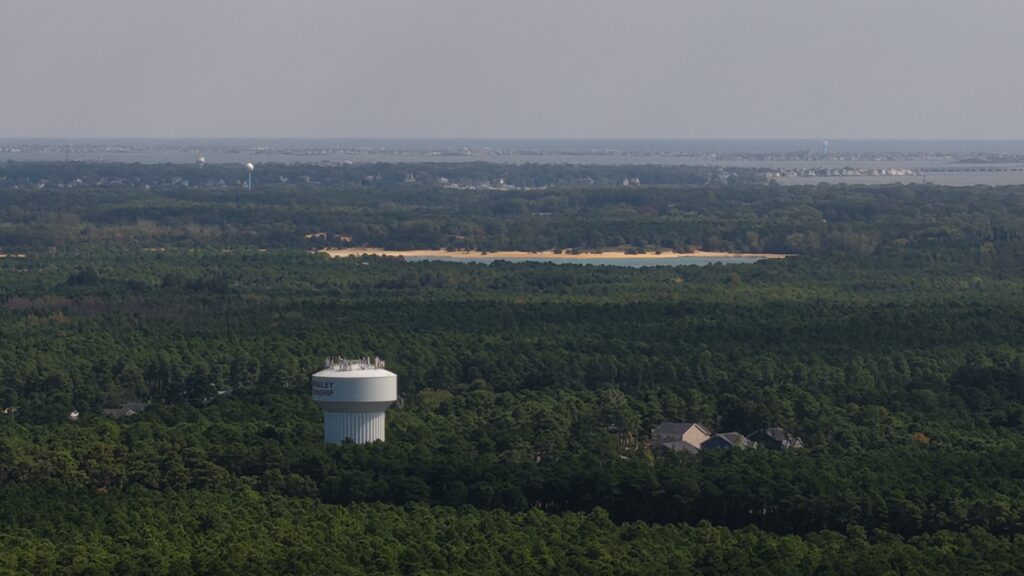
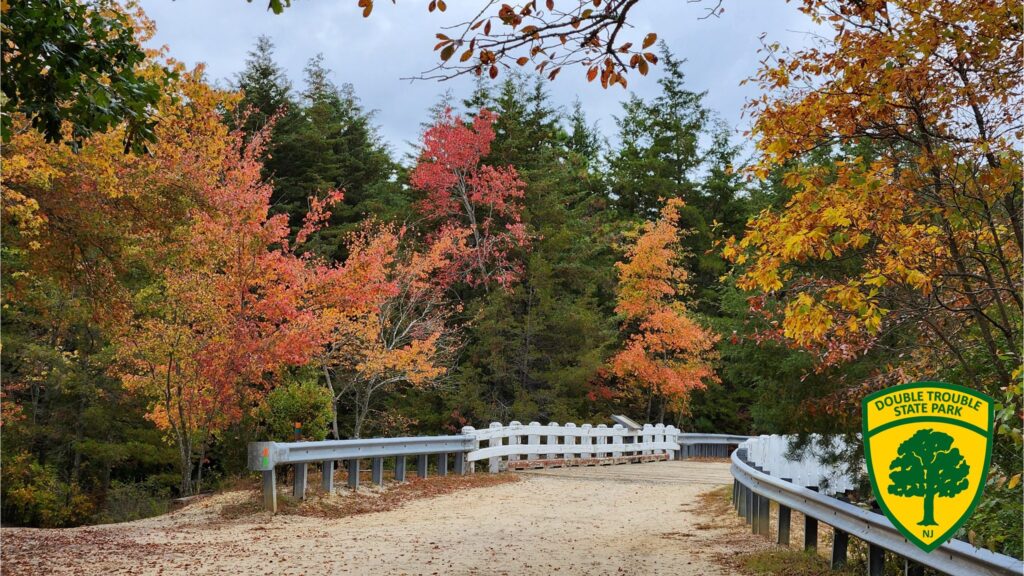
Mike Zsoldos, assistant regional forester for the New Jersey Forest Service, met with me at Double Trouble State Park, located in Bayville, Ocean County, for an interview and drone footage.
Double Trouble State Park (front), with the Barnegat Bay, the Barnegat Peninsula and the Atlantic Ocean in the distance (Photo by Joe Martucci)
The park is right off of Garden State Parkway Exit 77. It’s a scenic Pinelands forest known for its Atlantic white cedar trees. Zsoldos said several of the already dwindling trees were destroyed in Superstorm Sandy. However, due to the Atlantic White Cedar Restoration Project, the trees are coming back, helping to offset ground and water pollution.
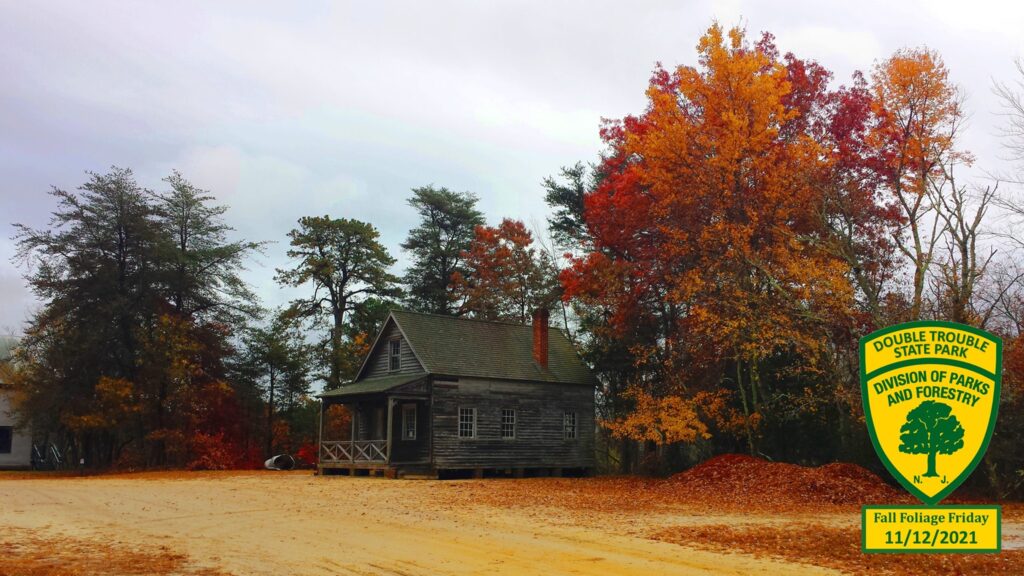
2021’s Fall Foliage at Double Trouble State Park (New Jersey Division of Parks and Forestry)
How Double Trouble got its name is up for debate, but the leading theory is that the dam at the village had to be repaired twice in one week due to muskrats. When a townsperson said “here’s more trouble” to a local minister, the minister replied, “yes, double trouble.”
What ingredients are needed for perfect fall foliage?
From the time the first green leaves sprout on the branches, to when the last crinkly brown leaf falls to the ground, there are four distinct ingredients that will create the perfect fall foliage season.
1. From April to June, you want wetter-than-average weather. This gives the trees plenty of nutrients for growing foliage.
2. Then, during climatological summer, from June to August, you’re looking for no extremes – no extreme heat and no extreme cooldowns, either. If there are, the trees get stressed.
3. From the beginning of locals summer in September, to the time of peak leaf change, you’re looking for sunny days and cool nights to allow those vibrant fall hues to develop.
4. Once we reach peak foliage, you’re simply looking for no heavy precipitation or wind. This way, the leaves won’t get blown off the trees early. That gives you plenty of time to enjoy them.
When does fall foliage typically peak in NJ?
For most of inland New Jersey, the average peak of fall foliage season is the third to fourth week in October, according to the meteorologist-led ExploreFall.com. At the Jersey Shore, as well as lower Cape May County, it’s early November.
ExploreFall’s map archive shows that fall foliage tended to peak later in the 2010s than it did in the 1990s. However, New Jersey has returned to more typical timing in the 2020s, aside from last year, which was later than usual.
How was 2024’s fall foliage in NJ?
Zsoldos at the Forest Service said last year’s fall foliage was later than average. However, ExploreFall.com shows that it was within seasonable levels. The fall foliage season wound up being dull and quick to change. That was after a very promising April-to-August period, weather wise. Then the longest rain-free streak on record, and most significant drought in years put an end to the vibrant fall potential.
‘Average’ fall foliage season expected in NJ this year
On the vibrant side, there was plentiful rain during the spring to bring the trees the nutrients they need. According to the Office of the New Jersey State Climatologist, 13.17 inches of precipitation fell throughout New Jersey from April to June – climatological spring. The average is 11.75 inches. Moreover, the cooler-than-average weather, which has controlled New Jersey since the beginning of August, produced many cool nights.
“It’s going to help spark those indicators in trees to tell them it’s time to stop growing and start growing their sugars in the roots for winter (sugars help produce the vibrant colors),” Zsoldos said.
From July 1 to Sept. 12, Atlantic City International Airport had 24 days with a low temperature at or below 60 degrees, according to the Iowa Environmental Mesonet. That’s more than the average of 16 days. Near Double Trouble State Park at Lakehurst Naval Air Station, there have been 30 such days – the most on record.
On the other hand, New Jersey still hasn’t fully recovered from the drought which ran from last fall to early this year – the most significant on record. That put stress on the trees early in the growing season. There was also a stretch of extreme heat from June 23 to 25. Inland highs were in the 100s, with even the beaches getting well into the 90s.
“I think this year, we’re looking at an average fall foliage,” Zsoldos said.
During my visit with Zsoldos on Sept. 12, he noted the changes in the leaves already seen. He reminds us that fall foliage is a season and not a quick event. He usually sees the first orange and red hues on red maples in early August. You’ll still see a few, vibrant, straggling leaves during Thanksgiving, too.
As the leaves turn vibrant, we’ll still need heavy rain and fierce winds to stay away from New Jersey to fully enjoy them. Medium-range forecast models lean toward drier weather for October and November. That means fewer opportunities for the rain and wind that would rip the leaves off the trees. It’s good news for leaf peepers.
A widespread freeze also can quickly shut off the fall foliage process, turning green leaves to dull and brown colors quickly. While there’s always a risk of one night below 32 degrees between now and early November, when fall foliage usually peaks at the shore, there is no strong colder-than-average signal during this time.
Where are the great spots to view fall foliage in NJ?
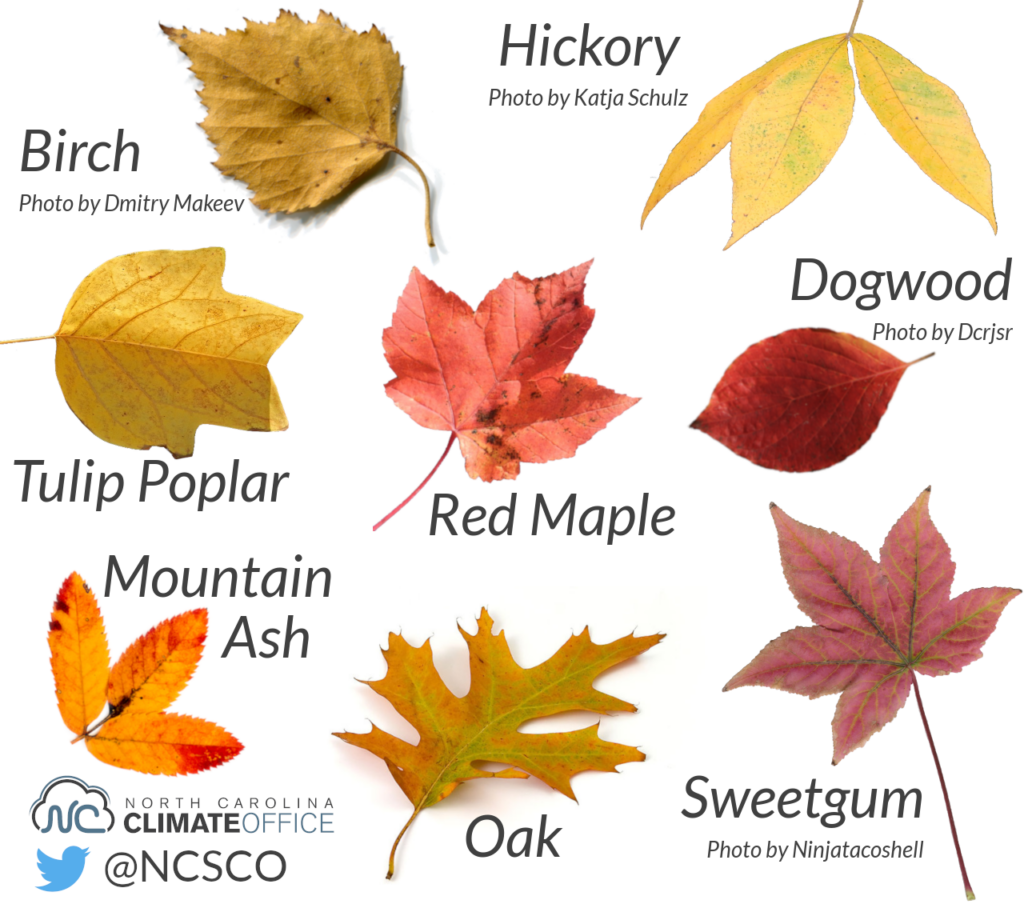
“Average” is not a bad thing. An average fall foliage season will yield vibrant reds in the oak trees, yellows in the black maples and gold in the hickories across New Jersey, according to the United States Forest Service.
Types of Fall Foliage, by tree species (North Carolina Climate Office)
At Double Trouble State Forest, you’ll find excellent walking trails to take in the fall hues. Wharton State Forest is also an excellent spot, allowing visitors to go back in time to historic Batsto Village, and the wide trails and scenic views along the Mullica River.
One of Double Trouble State Park’s many walking trails (New Jersey Division of Parks and Forestry)
Birch Grove Park in Northfield is a personal favorite as well. It was home to my first Fall Foliage Forecast in 2017, and the walking trails built over the pond are an excellent way to spend the day.
Joe Martucci, a Certified Broadcast Meteorologist and Digital Meteorologist, is the President and Director of Meteorology for Cup A Joe Weather and Drone. You can connect with him at cupajoe.sparkable.opalstacked.com/.
Captain’s Tree Service handles all your tree needs, including tree removals, trimming, pruning, and 24/7 emergency care. They’re reliable, affordable, and trusted by families. Call the Captain today for a free estimate at (856) 883-7682!
SATURDAY’S FORECAST | Ok, it’s not the summery Friday we just had but it’ll be comfortably cool Saturday, and into the weekend. Let’s talk about the dry weather, the big difference in temperatures this morning and why next week is unsettled.
RUTGERS FOOTBALL FORECAST | It’s the blackout game vs. Iowa and you’ll be able to see plenty of clear black sky for the game. Pay attention to the temperatures here, though, there will be a decent shift between tailgate time and the final whistle. RRRRRRRR
Located just 1/3rd of a mile from SHI Stadium, the St. George Greek Orthodox Church is THE place to park and tailgate for Rutgers football games! Lots of space, clean bathroom and excellent service. Reserve your space at www.rutgersparking.com.
THURSDAY’S FORECAST | Bet your bottom dollar that the sun will come out… today! The coastal low will continue to weaken and move away from the Jersey Shore. That means sun for the afternoon and a few days after that, too. I have your only Jersey Shore local video forecast here.